From Vision to Working Prototype in Under a Week
Using AI-assisted prototyping to turn a fragmented future-state editor vision into something tangible, testable, and easier for stakeholders to align around.
Role
Principal UX Designer
Timeline
< 1 week
Team
1 designer · 0 devs
Focus
Unified editor vision
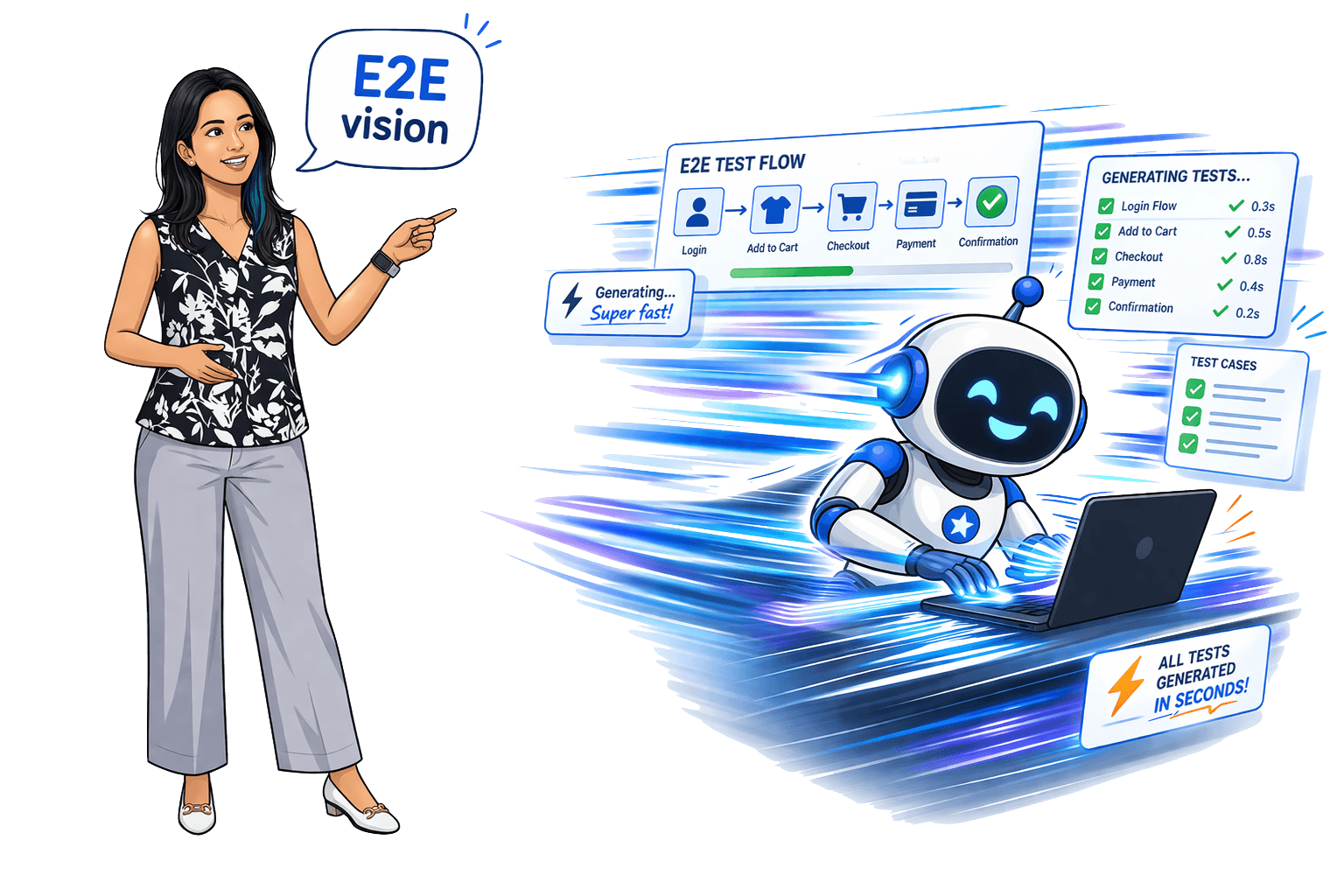
What began as an exploration around testing became an opportunity to bring a much bigger editor vision to life through a working prototype.
The output
What was built
A working prototype of the next-generation unified editor experience: less legacy, more clarity, more connected workflows, and a much more tangible way to discuss the future direction.
10 major editor areas covered
The turning point
From idea to opportunity
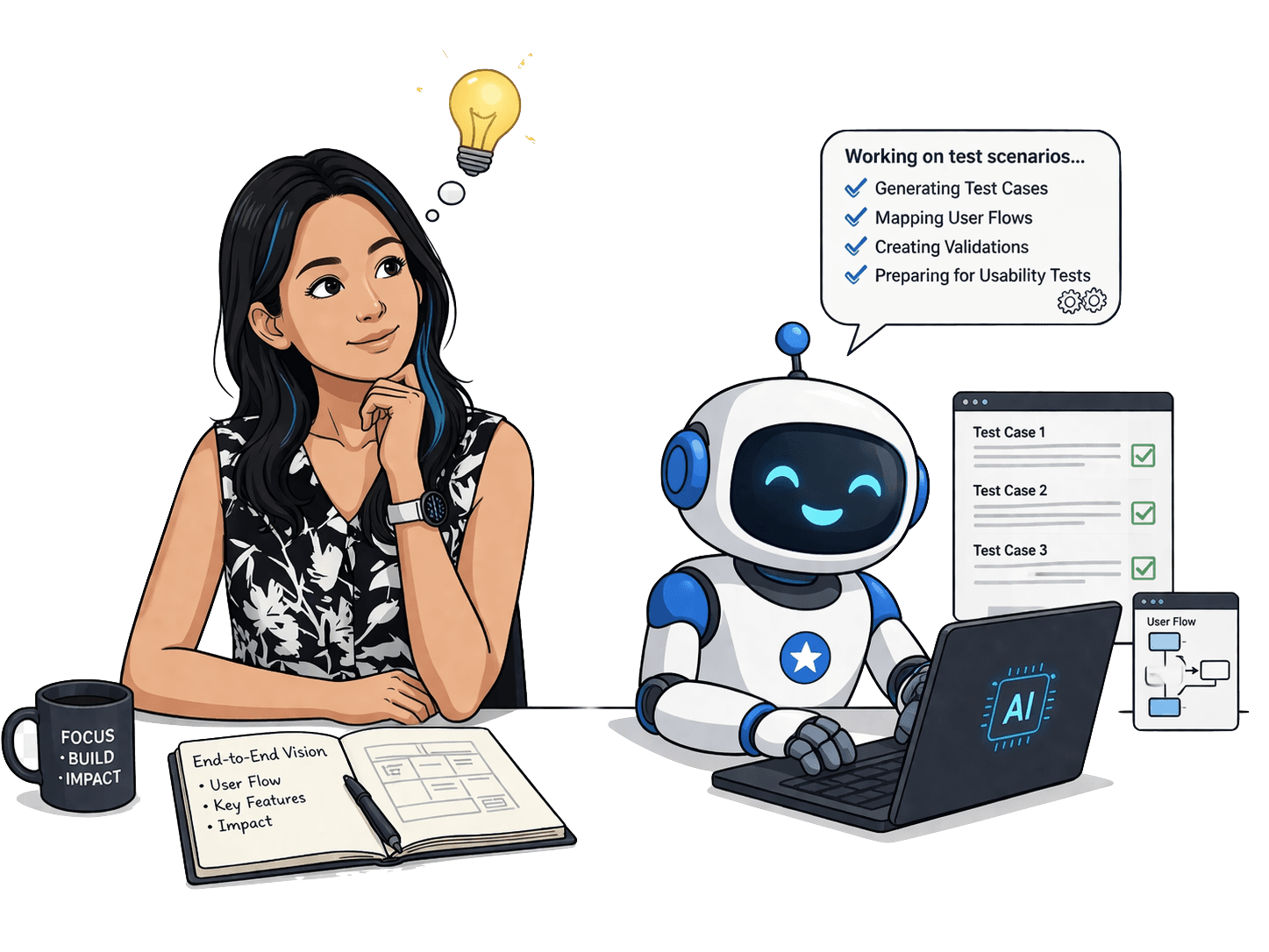
While designing for the testing feature, it became clear that testing was not an isolated problem; it touched the entire editor experience. That opened up a bigger opportunity: revive ideas that had stayed in wireframes and turn them into a working prototype stakeholders could actually react to.
Pace of work
How fast it came together
First working skeleton prototype
30
minutes
Same scope in Figma only
Days
if not more
The speed changed the conversation. Instead of debating abstractions, we could review something tangible almost immediately.
Live demo
See it in action
Confidential
Prototype video
This prototype recording is confidential. Enter the password to watch it.
Collaboration model
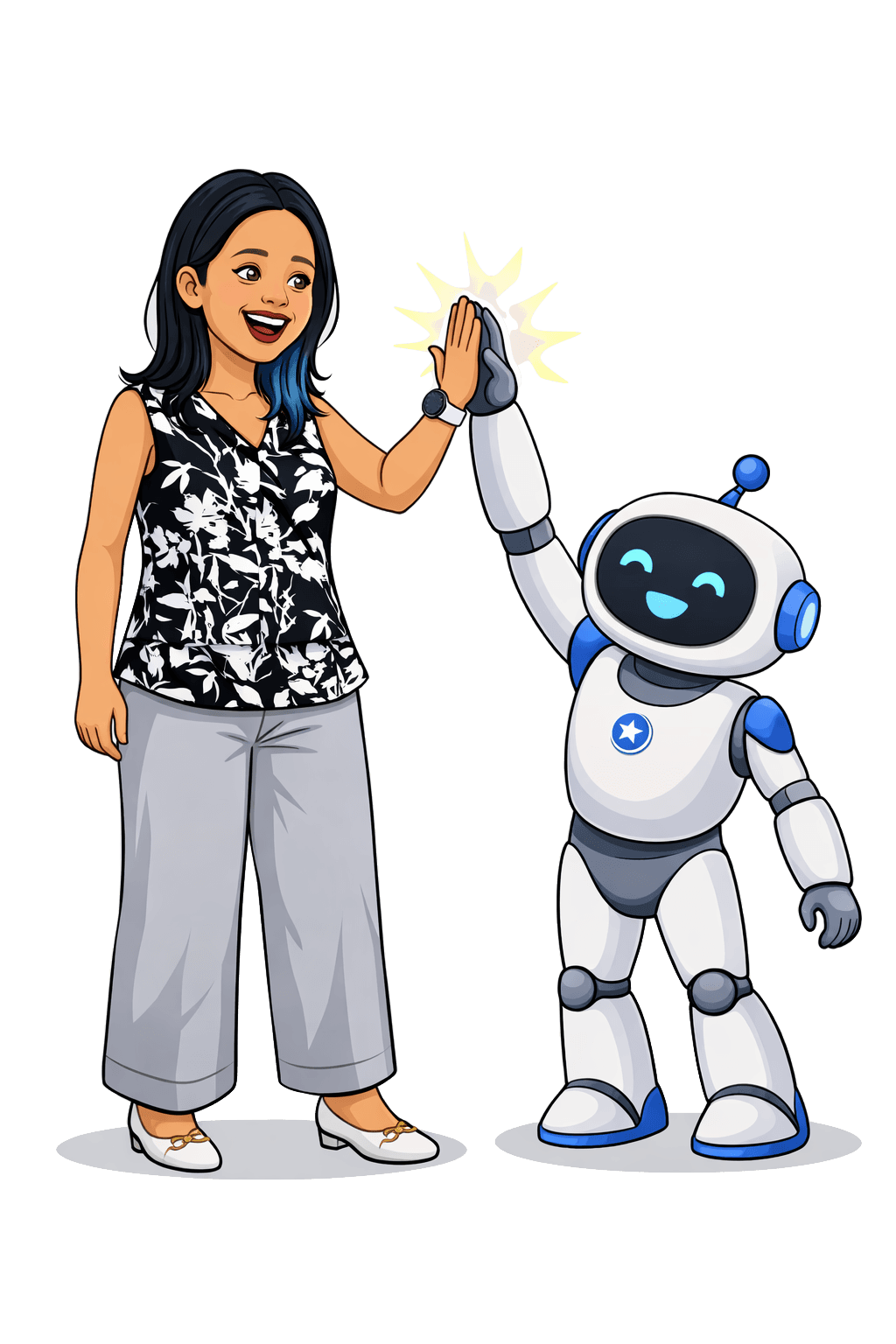
Working in harmony: Human × AI
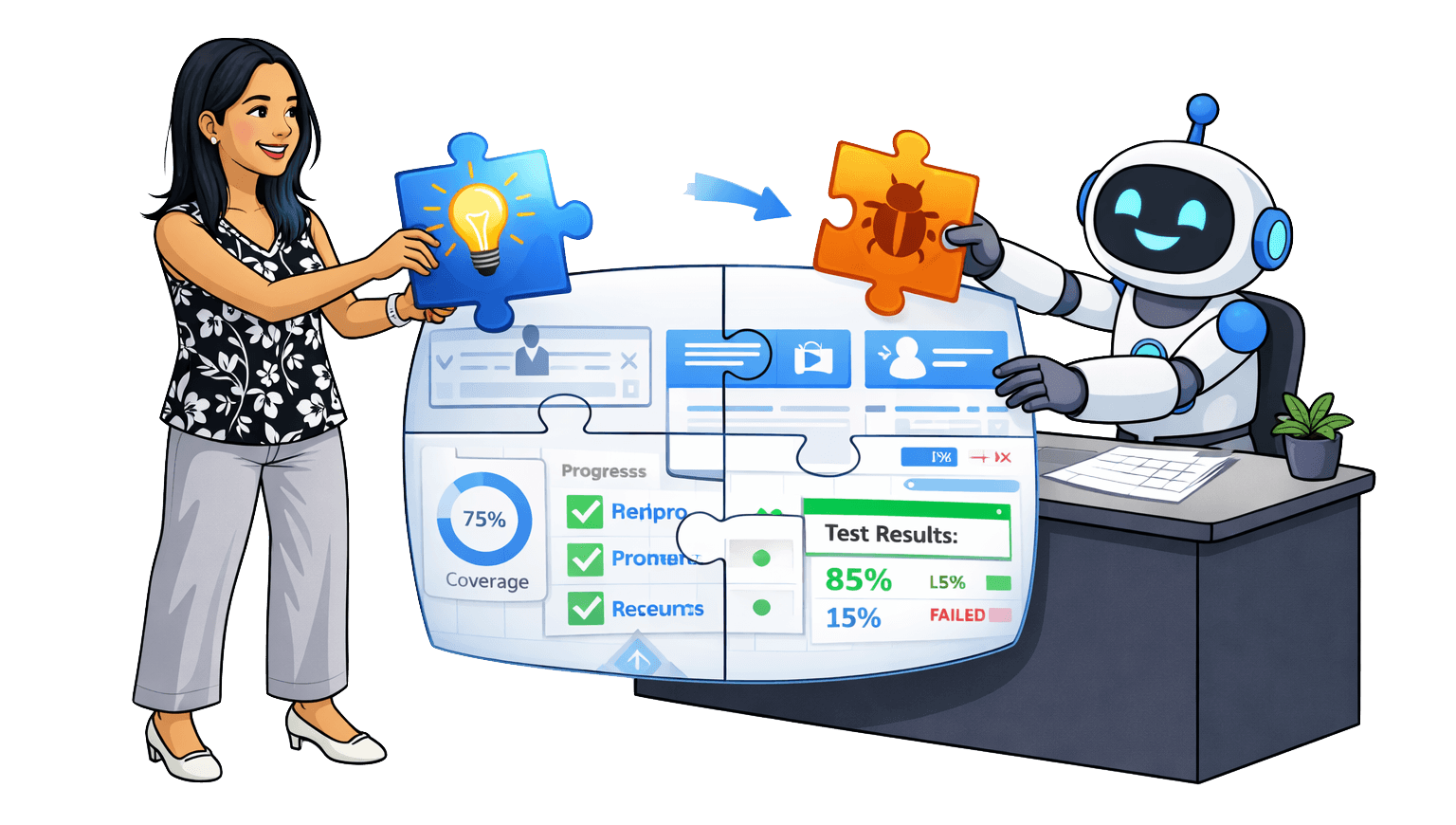
AI turned prompts into reality.
I connected it to product vision and strategy.
AI compared with existing tools.
I crafted the story to convince stakeholders.
AI assumed solutions were complete.
I validated, debugged, and corrected outputs.
AI generated initial documentation and feature list.
I prioritized what users and the product truly need.
AI added more.
I removed what didn't matter.
Signal vs noise
Speed helps. Focus matters more.
AI can generate a lot very quickly, but not all of it is useful. A big part of the work was staying grounded, filtering noise, and keeping the prototype aligned to the real product story instead of chasing shiny output.
Impact
Why the prototype mattered
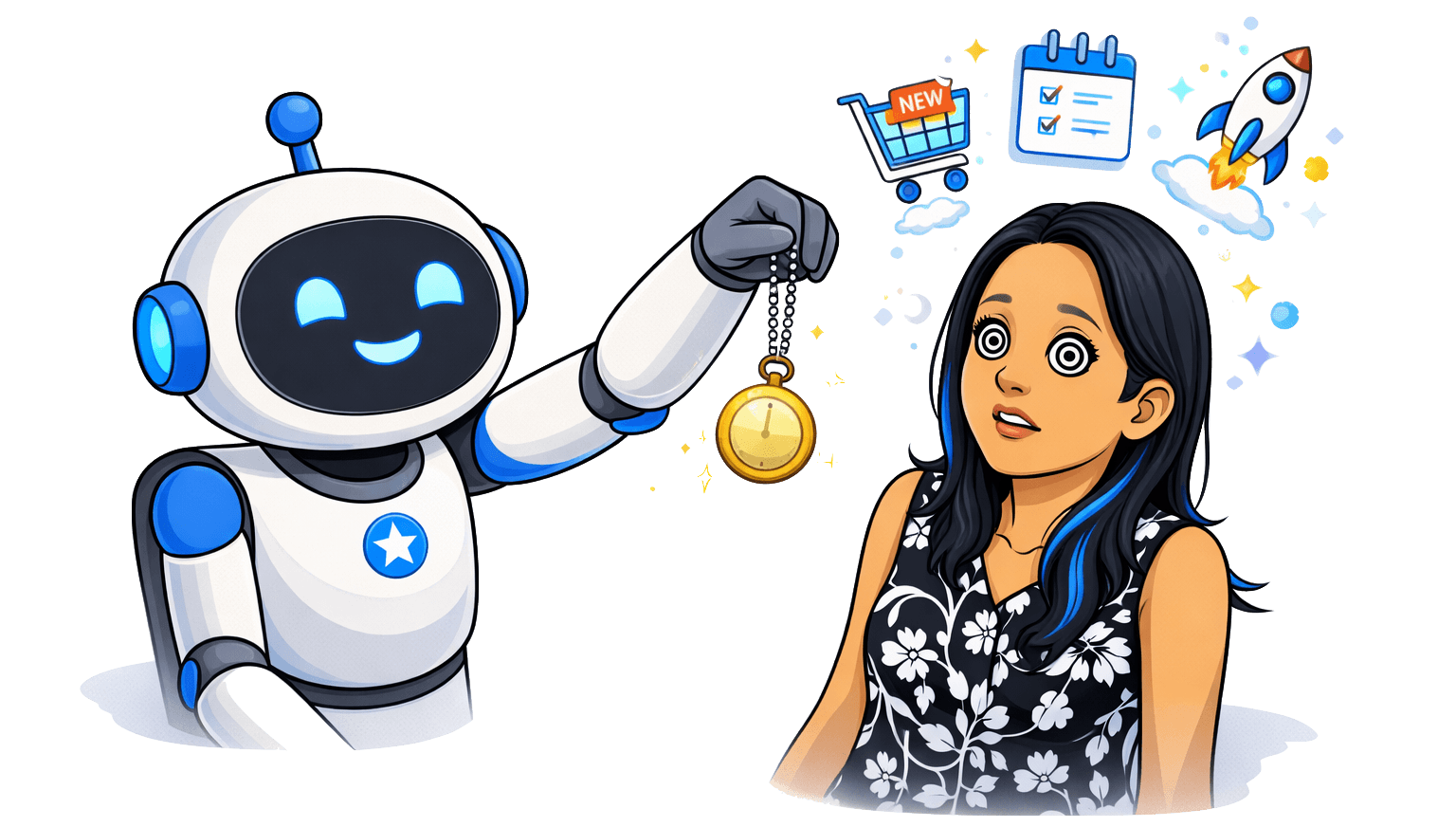
A working prototype made the future direction easier to understand, discuss, and commit to. It transformed abstract ideas into a shared experience stakeholders could evaluate together.
Easier stakeholder alignment
Concrete rather than abstract: stakeholders could see and react, not just imagine.
Faster concept validation
Early tangible output meant faster decisions and fewer open-ended debates.
More confidence in future direction
Seeing it work made the vision feel achievable, not theoretical.
Better than static wireframes
Complex connected flows are much harder to evaluate in static screens alone.
Takeaways
What I learned
01
Start with a strong base
A solid foundation keeps AI grounded and aligned to the real product.
02
Guide AI continuously
Attach frames, iterate, and refine as you go. AI needs direction, not just a prompt.
03
Don't confuse speed with clarity
Fast output can still be unfocused. Speed is only useful if the direction is right.
04
Validate, refine, and remove
Aggressive editing matters as much as generation. Remove what does not serve the story.
05
Stay focused on the product story
Avoid shiny object syndrome. The prototype must reflect a real product direction.
Closing
What this project proved
AI changes how quickly design can make product direction tangible. But the real value is not speed alone. It is speed guided by judgment, systems thinking, and product clarity.
The prototype was ready to test, and the vision was finally easier to believe in.
End of case study